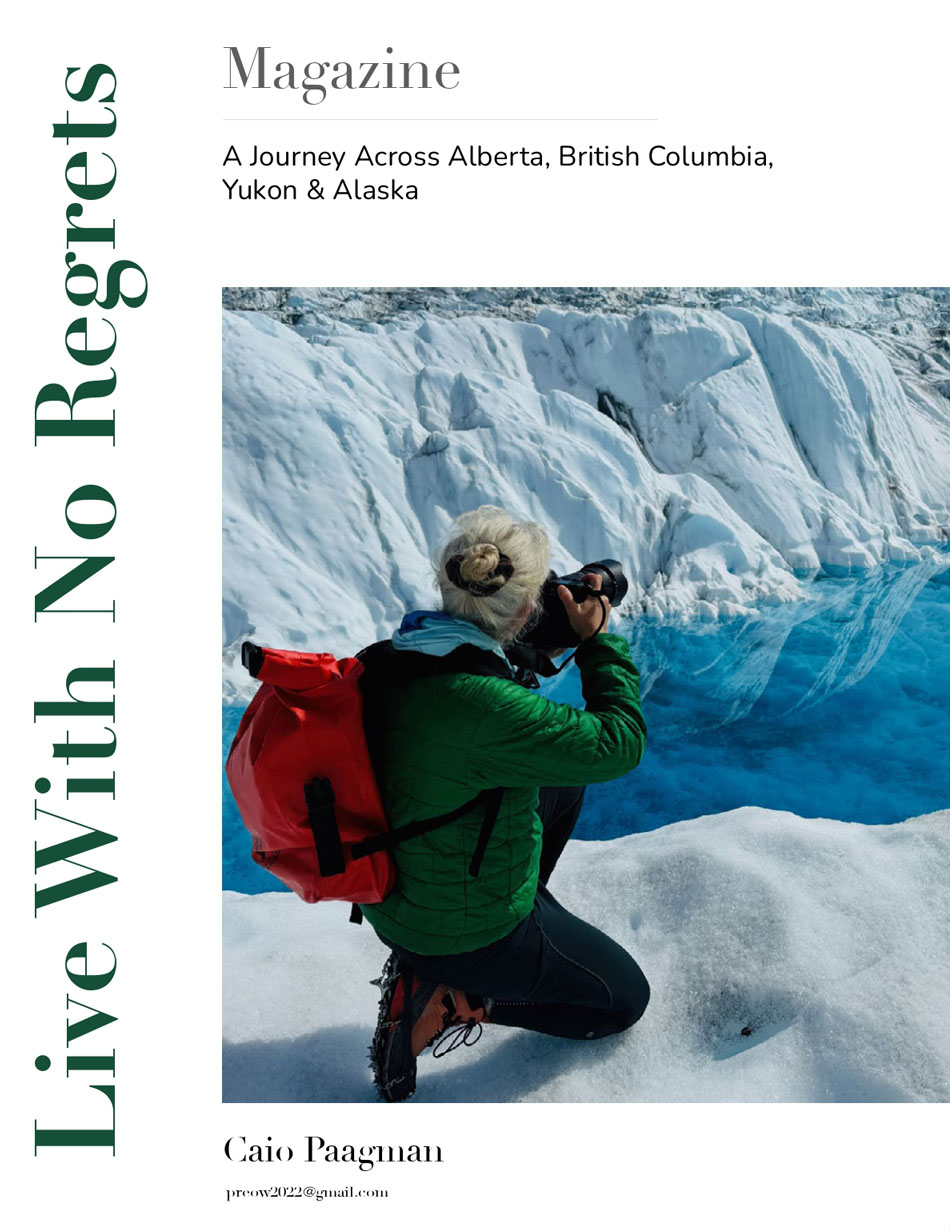
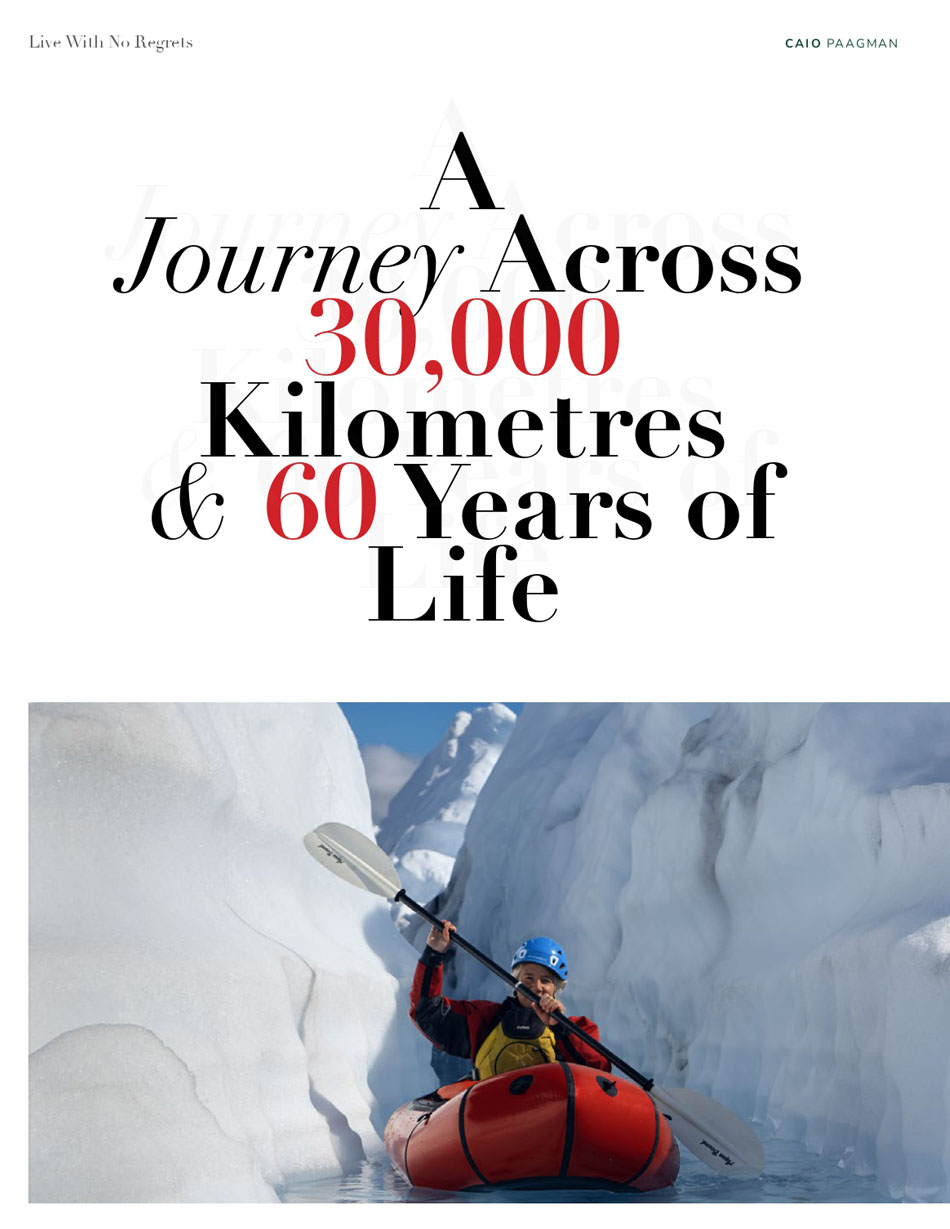
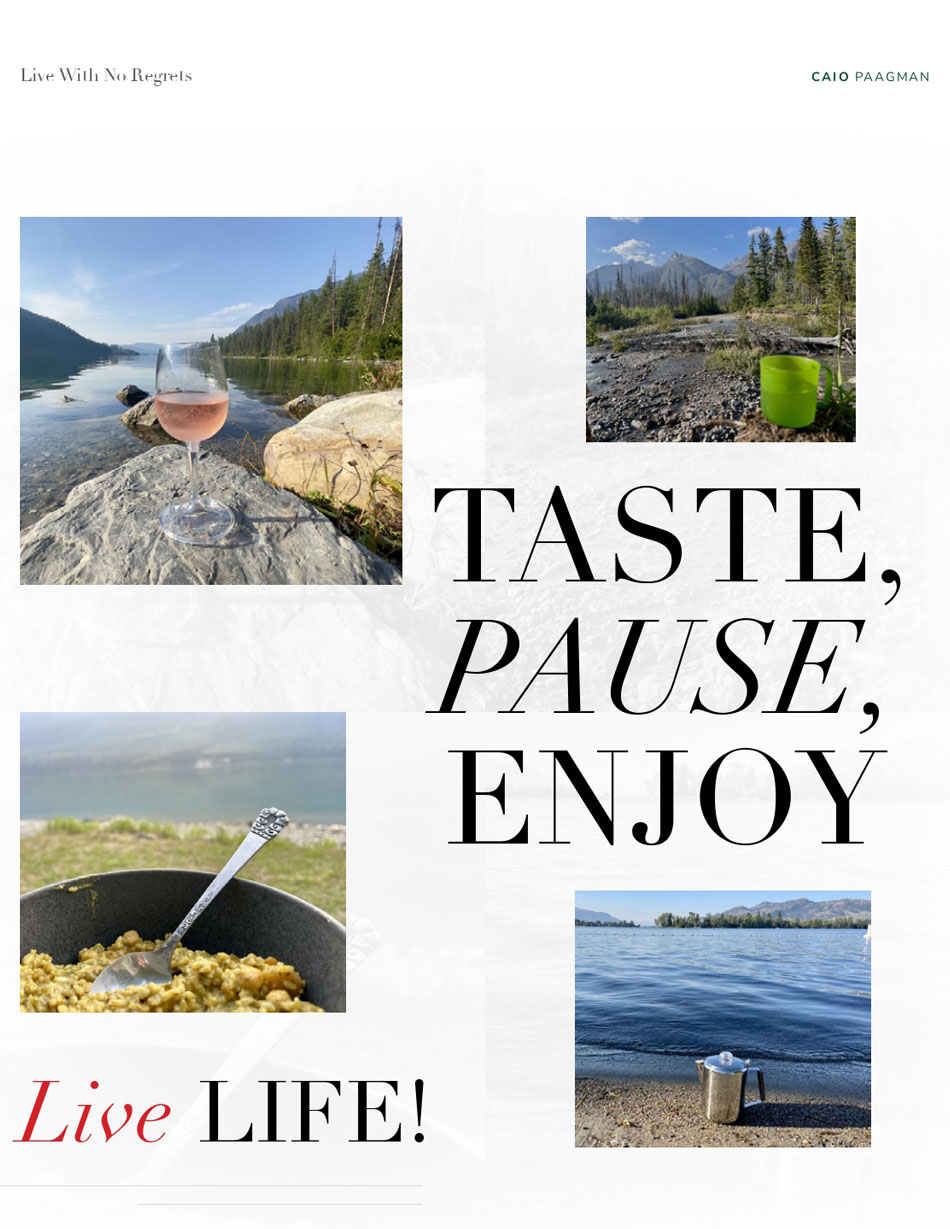
British Columbia is one of Canada’s most inspiring destinations for photographers. From rugged mountains and peaceful lakes to coastal landscapes, forests, wildlife, and vibrant cities, the province offers endless opportunities to create memorable travel photographs.
Whether you are an experienced photographer or simply enjoy taking beautiful vacation photos, Travel Photography British Columbia can turn an ordinary trip into a visual story. With thoughtful planning, the right equipment, and an understanding of natural light, you can capture images that showcase the character and beauty of British Columbia.
Why British Columbia Is Perfect for Travel Photography
British Columbia has an impressive variety of landscapes within one province. You can photograph dramatic mountain scenery in the morning, explore a coastal town in the afternoon, and capture a forest or lakeside sunset in the evening.
Popular photography environments include:
- Mountain ranges and alpine landscapes
- Pacific Ocean beaches and coastlines
- Lakes and waterfalls
- Rainforests and forests
- Wildlife and outdoor adventures
- Vancouver’s urban landscape
- Small towns and scenic communities
- Hiking trails and scenic viewpoints
The province’s combination of mountains, water, forests, and changing weather creates opportunities for different photography styles throughout the year.
Best Places for Travel Photography in British Columbia
Vancouver
Vancouver is an excellent starting point for photographers who want a combination of urban and natural scenery. The city provides opportunities to photograph the skyline, waterfront, parks, bridges, mountains, and surrounding coastal landscapes.
Stanley Park, for example, combines forest trails, waterfront scenery, beaches, viewpoints, and city views in one location.
For city photography, experiment with reflections, architecture, street scenes, and mountain views. Early morning and evening can provide softer light and fewer crowds.
Whistler
Whistler is surrounded by dramatic mountain scenery and provides excellent opportunities for landscape and outdoor photography. Photograph mountain peaks, forests, lakes, hiking trails, and adventure activities.
For a stronger composition, look for foreground elements such as trees, rocks, trails, or people that help communicate the scale of the landscape.
Vancouver Island
Vancouver Island offers a different photographic experience, with rugged coastlines, beaches, forests, wildlife, and charming communities.
Tofino is particularly attractive for photographers interested in coastal landscapes and outdoor adventure. Its beaches, Pacific coastline, forests, surfing, and wildlife experiences provide a variety of subjects.
Squamish and the Sea to Sky Region
The area between Vancouver and Whistler is filled with mountain scenery, forests, lakes, waterfalls, and viewpoints. It is an excellent choice for photographers planning a road trip.
Instead of photographing only the main viewpoint, explore different compositions. Include a foreground subject, use leading lines, and try both horizontal and vertical photographs.
Golden Ears Provincial Park
Golden Ears offers opportunities for landscape, nature, and adventure photography. Alouette Lake can provide mountain reflections during calm conditions, while waterfalls and forest trails offer completely different compositions.
Cloudy and misty conditions can also create atmospheric photographs, especially in forest and mountain environments.
Best Time of Day for Travel Photography
Lighting can make a major difference in travel photography.
Sunrise
Early morning provides soft light, fewer visitors, and potentially calm water for reflections. Lakes and mountain viewpoints can be particularly rewarding around sunrise.
Golden Hour
The hour around sunrise or sunset can produce warm, directional light that adds depth to landscapes.
Blue Hour
After sunset, the sky can retain color while city lights begin to appear. This can work especially well for Vancouver cityscapes and waterfront photography.
Cloudy Days
Do not automatically cancel a photography trip because the sky is cloudy. Soft light can reduce harsh shadows and work beautifully for forests, waterfalls, portraits, and moody landscapes.
Photography Tips for British Columbia
1. Plan Around the Light
Before visiting a location, consider where the sun will be and how it will illuminate your subject. A beautiful location can look completely different depending on the time of day.
2. Use Foreground Elements
Add rocks, trees, flowers, trails, or other nearby objects to create depth. Foreground elements can make landscape photographs feel more three-dimensional.
3. Include People for Scale
A person standing in a large mountain landscape can help communicate the enormous scale of British Columbia’s scenery.
4. Photograph Changing Weather
Rain, fog, clouds, snow, and sunlight can all create different moods. Instead of waiting for perfectly clear skies, learn to use changing weather creatively.
5. Carry the Right Lenses
A wide-angle lens can be useful for expansive landscapes, while a telephoto lens can help isolate distant mountains and photograph wildlife without getting too close.
A lightweight zoom lens can also be a practical choice when traveling between multiple destinations.
6. Protect Your Equipment
British Columbia’s weather can change quickly, particularly in mountainous and coastal areas. Carry a rain cover, lens cloth, spare batteries, and appropriate protection for your camera equipment.
7. Photograph Responsibly
When photographing wildlife, maintain a safe distance and avoid disturbing animals. Natural areas should be treated with respect so they remain beautiful for future visitors and local ecosystems.
Photographing British Columbia in Different Seasons
Spring Photography
Spring brings fresh greenery, flowing waterfalls, flowers, and changing mountain conditions. It can be an excellent season for forests and waterfalls.
Summer Photography
Longer daylight hours make summer convenient for road trips and outdoor photography. Beaches, lakes, mountains, and hiking destinations are especially popular.
Fall Photography
Fall can bring colorful foliage and dramatic weather. Look for reflections in lakes and combinations of colorful trees with mountains or water.
Winter Photography
Snow-covered mountains, frozen landscapes, winter forests, and dramatic coastal weather can create powerful images. Be sure to plan carefully for changing road and trail conditions.
Create a Travel Photography Story
Great travel photography is not only about taking one beautiful landscape photograph. A complete photo story can show what it actually feels like to experience British Columbia.
Try capturing a combination of:
- A wide landscape photograph
- A local town or city scene
- A close-up detail
- Wildlife or outdoor activity
- A portrait or human-interest photograph
- Food or cultural experiences
- A sunset or sunrise
- A final scenic photograph
This approach gives viewers a sense of place and helps turn a collection of photographs into a meaningful travel story.
Final Thoughts
British Columbia provides photographers with an extraordinary range of subjects. From Vancouver’s waterfront and urban scenery to Whistler’s mountains, Vancouver Island’s coastline, and the province’s forests and lakes, every journey can offer new photographic opportunities.
The key is to slow down, observe the environment, look for interesting light, and photograph more than the obvious viewpoint. With thoughtful composition and good preparation, your Travel Photography British Columbia experience can produce images that capture not only where you traveled, but how the destination felt.
Whether you are planning a dedicated photography trip or simply taking a camera on your next Canadian adventure, British Columbia is a destination worth exploring through the lens.